Office Address
Mail Us For Support
Name
Hunting Season
Hunting Method
Hunting Area
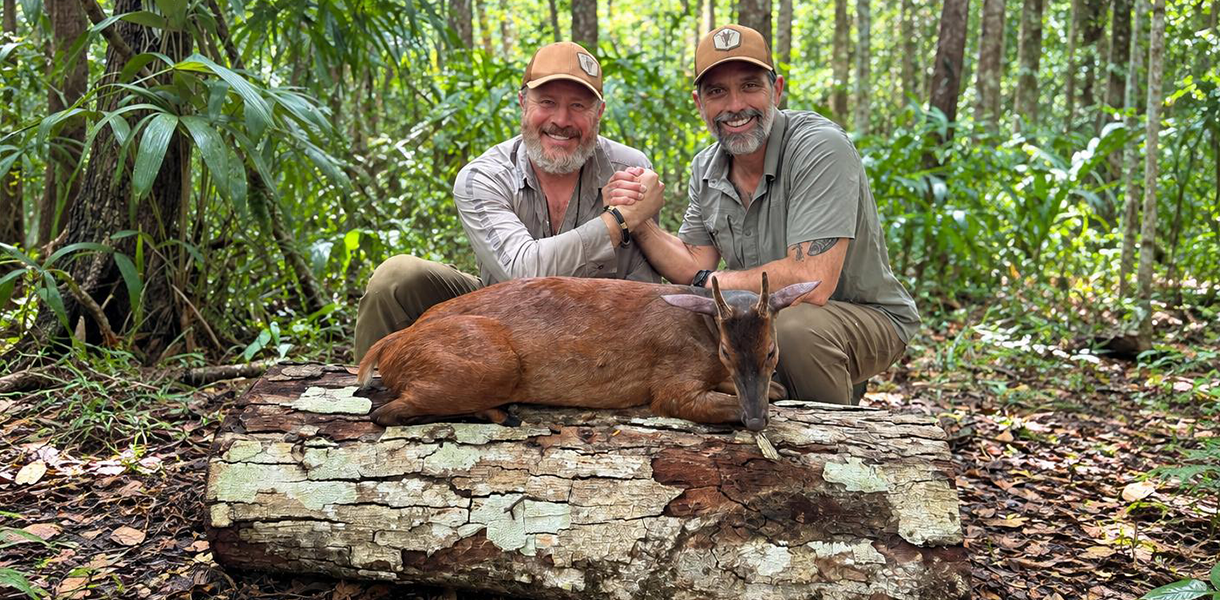
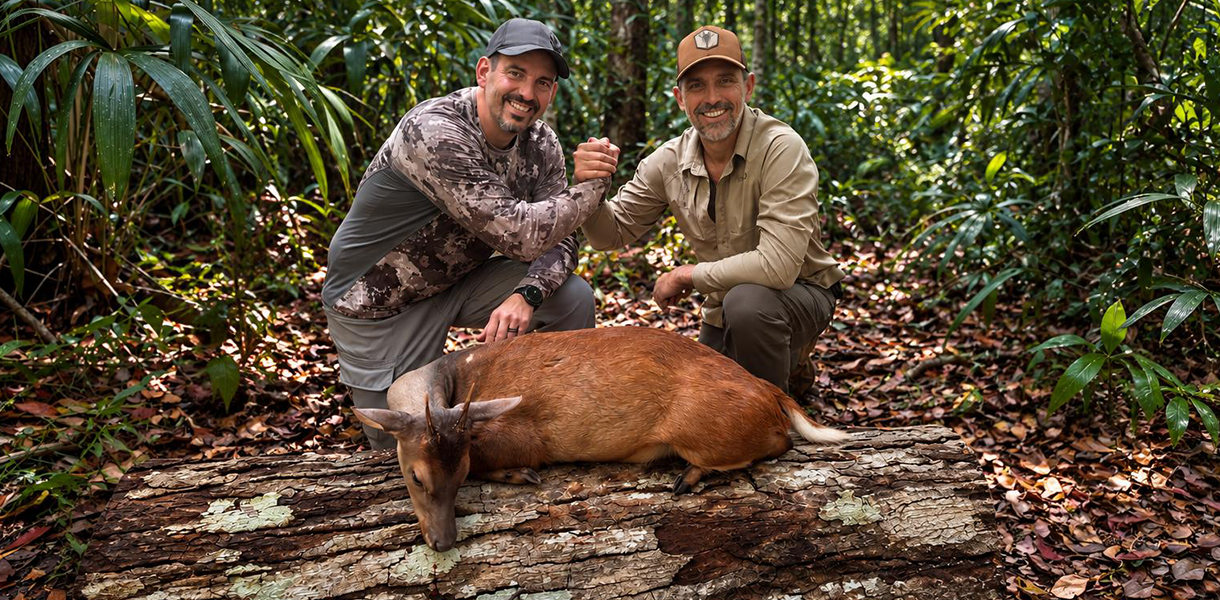
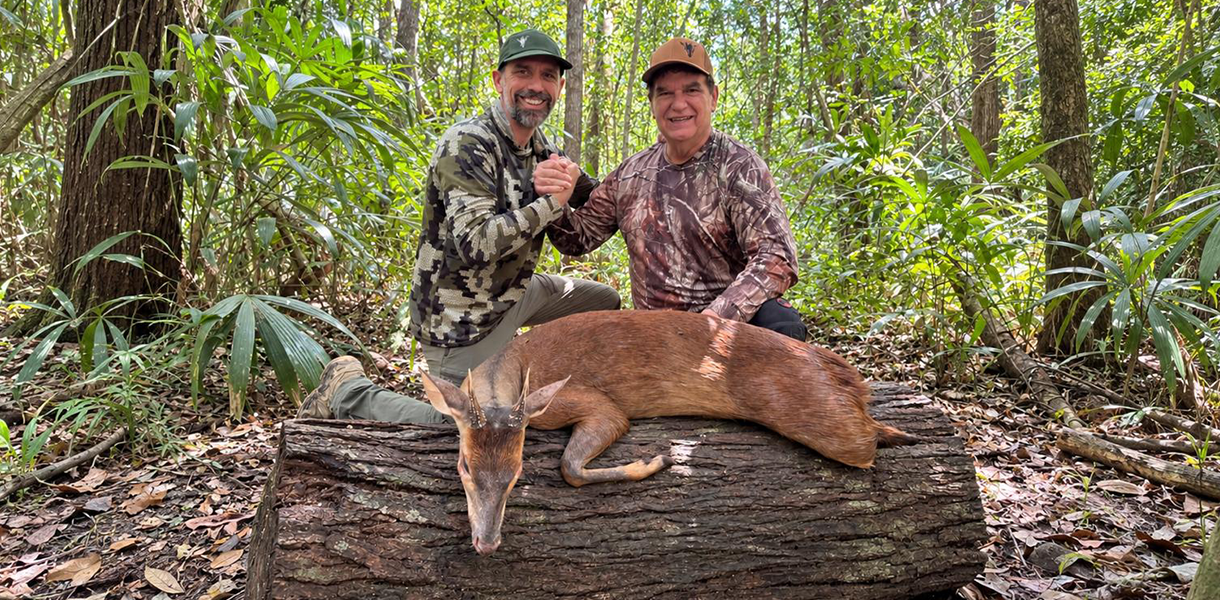
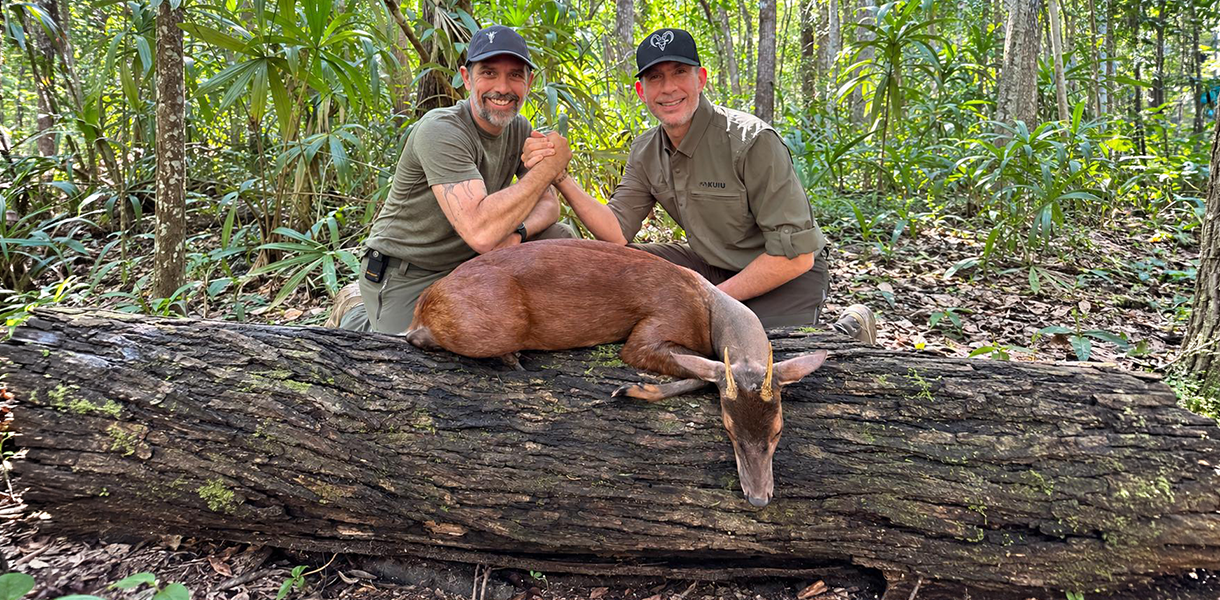
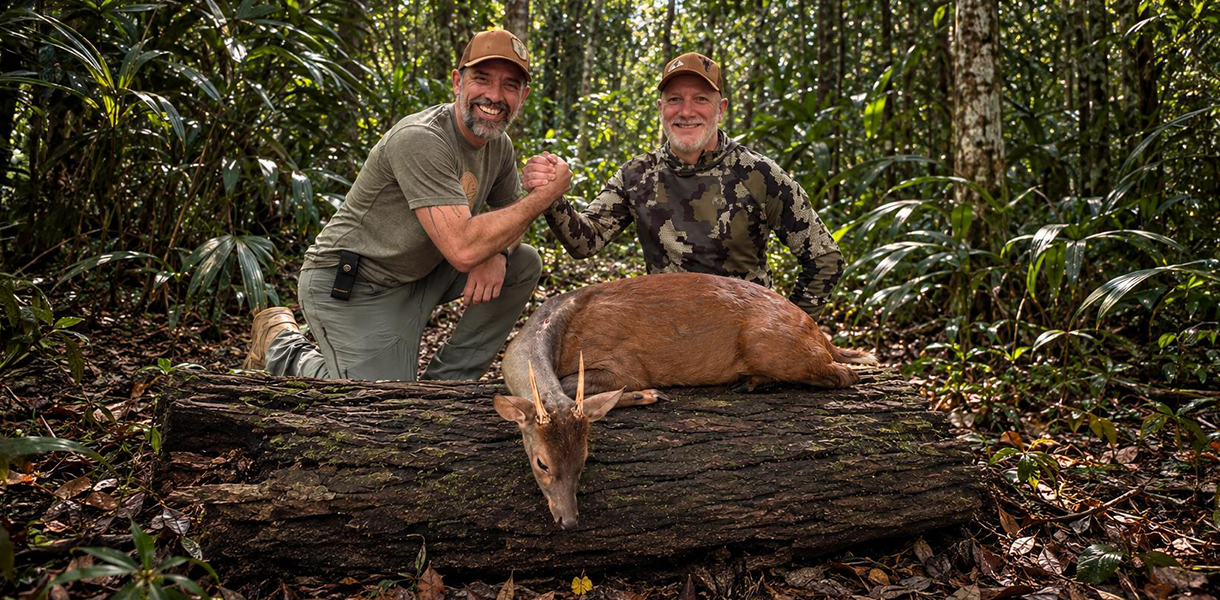
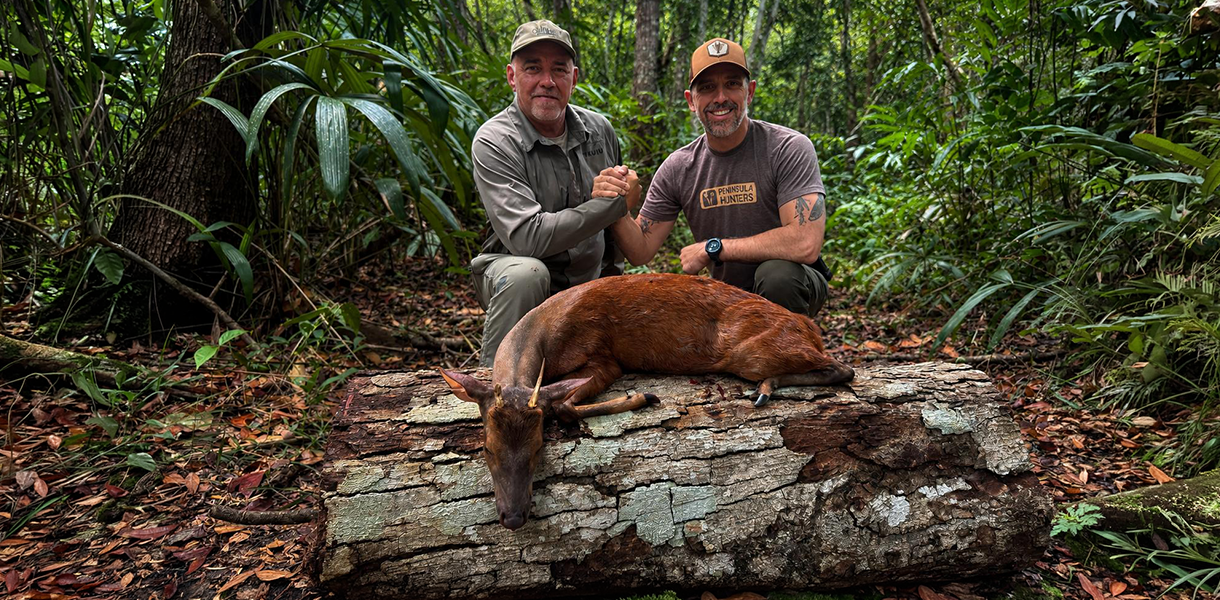
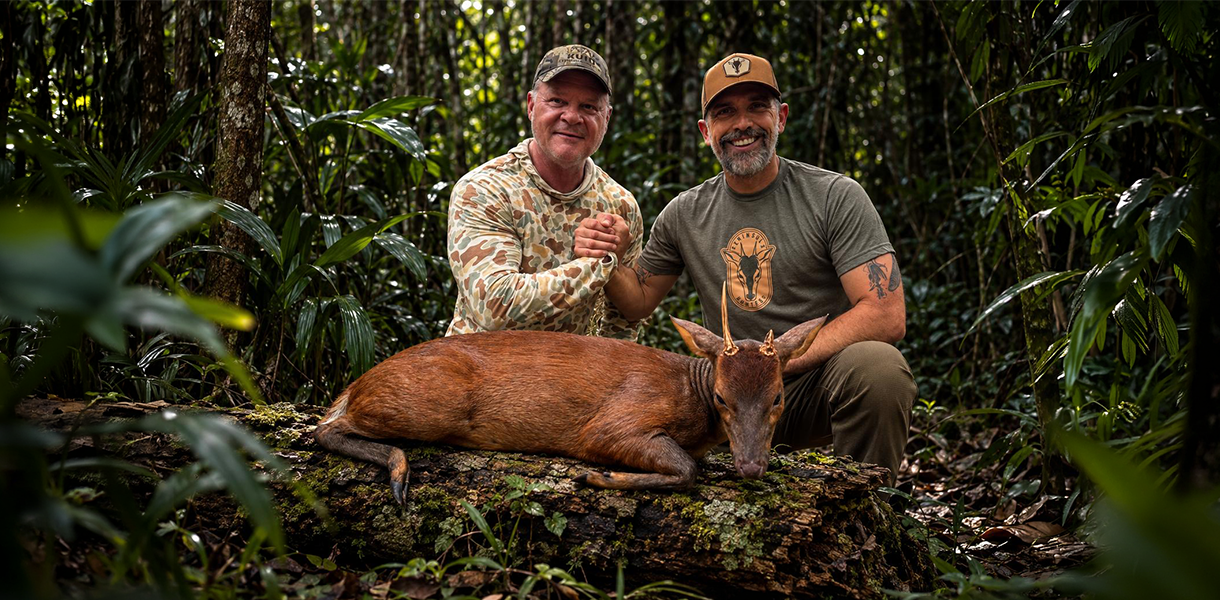
The Red Brocket deer known as “Temazate” in Spanish is a unique and elusive species unknown for most hunters. If you’re an avid hunter seeking a new challenge, the Central American Red Brocket Deer offers an exciting possibility in the Mayan jungles of the Yucatán Peninsula, particularly in the southeastern state of Campeche near the borders with Belize and Guatemala.
Peninsula Hunters is dedicated to the pursuit of Brocket Deer. Our operation is built around extensive pre-season scouting, strategic use of trail cameras, GPS mapping, continuous exploration of new hunting areas, and a dedicated team of local trackers and guides whose ability to locate and hunt these elusive deer is unmatched.
This level of dedication has resulted in a success rate exceeding 70% and has earned the trust of hunters from around the world, including SCI record-book hunters, Weatherby and Conklin Award recipients, and GSCO Super 40/50 contenders pursuing some of North America’s most challenging game.
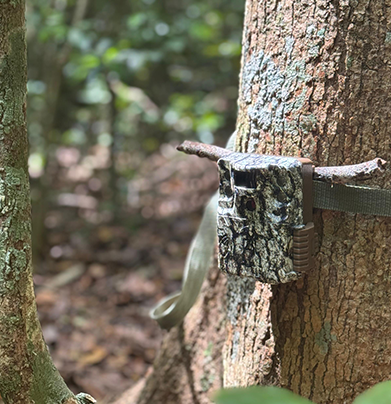
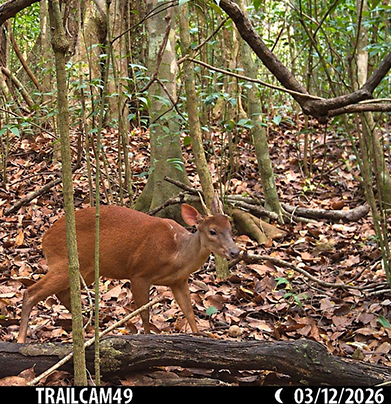
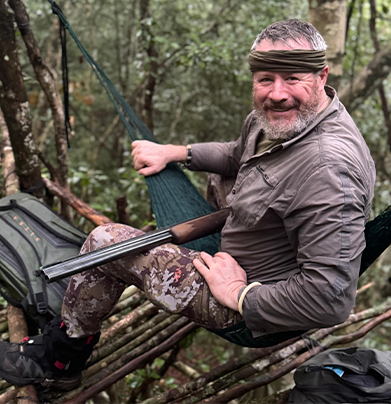
Elevated platforms (machans) where ripe fruit and amapola flowers are nearby is generally the most successful way to get a good shot, although using ground blinds has proven to be effective as well. This allows them to come closer to the hunter, as they are keenly aware of their surroundings and not easy to catch off guard.
“Spot-and-stalk” hunting is also a popular method, but a bit more challenging due to the habits of this animal and how elusive they tend to be. Shotguns loaded with buckshot are the preferred weapon.
Generally speaking, the dry season is the best time to hunt them. They are spread throughout the jungle but more commonly found in highly dense hilly jungle areas. Because water is readily available throughout the rainforest, they do not need to seek out exposed water sources where they would be easier to locate.
Antlers in males are not particularly impressive for trophy hunting. The experience as a whole is the main reason why hunters are interested in the Red Brocket Deer.
Red Brocket Deer are exceptionally difficult to hunt. No one can assure success, and no hunter is likely to see several Brocket Deer during a hunt, but they are there.
These little deer are simply too shy, too nocturnal, and their habitat is just too thick.
Not for nothing do the locals call them: “EL ROJITO” “THE LITTLE RED”
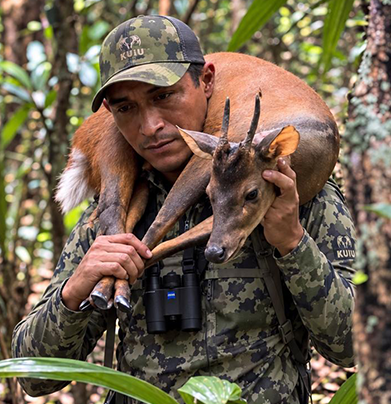
The Red Brocket Deer has the largest distribution of the two species of Brocket Deer that inhabit Mexico, although in lower numbers than the Gray/Brown Brocket Deer.
Red Brocket Deer can be found from sea level up to 2,000 meters in the tropical mountain ranges of Veracruz and throughout the rainforests of the southeastern Yucatán Peninsula. Climate varies considerably across its range, allowing this tiny deer to adapt to both cold and extremely hot conditions.
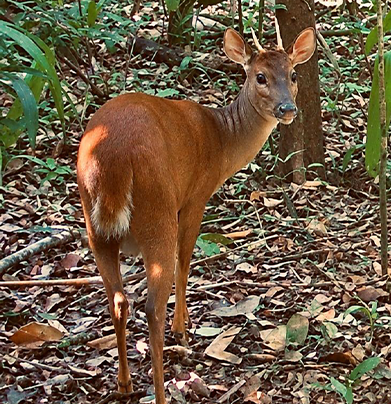
As North America’s smallest deer, the Red Brocket weighs approximately 15 kilograms. Its body coloration is reddish-brown with a lighter grayish head and neck and darker brown legs, while the underside of the tail is bright white.
Only adult males carry antlers. These are typically small and straight with a spike-like appearance, averaging around three inches in length, although larger specimens can occur. The pedicles are narrow and closely centered, producing dark pearled rosettes with ivory-colored antlers.
Red Brocket Deer do not interbreed with their Yucatán Brown counterparts, although their ranges often overlap in transitional jungle areas where lower vegetation meets higher canopy forest.
Naturally shy, their first defense when threatened is to freeze before fleeing into the forest. These deer are generally solitary but can occasionally be observed in pairs.
Their territorial range is relatively limited, making them highly sedentary animals that rarely move far from their birthplace. There is no clearly defined season for mating and birthing fawns, and antler shedding patterns remain largely a mystery.
At Peninsula Hunters, the experience extends far beyond the
Immerse yourself in the rich traditions and vibrant flavors of Mexican culinary culture. Our expeditions blend adventure with exceptional gastronomy, offering you a taste of local heritage and unforgettable moments around the table.
While success in the field is never guaranteed, every trophy is seen as a cherished bonus—the true reward lies in the journey.